Last updated November 22, 2026
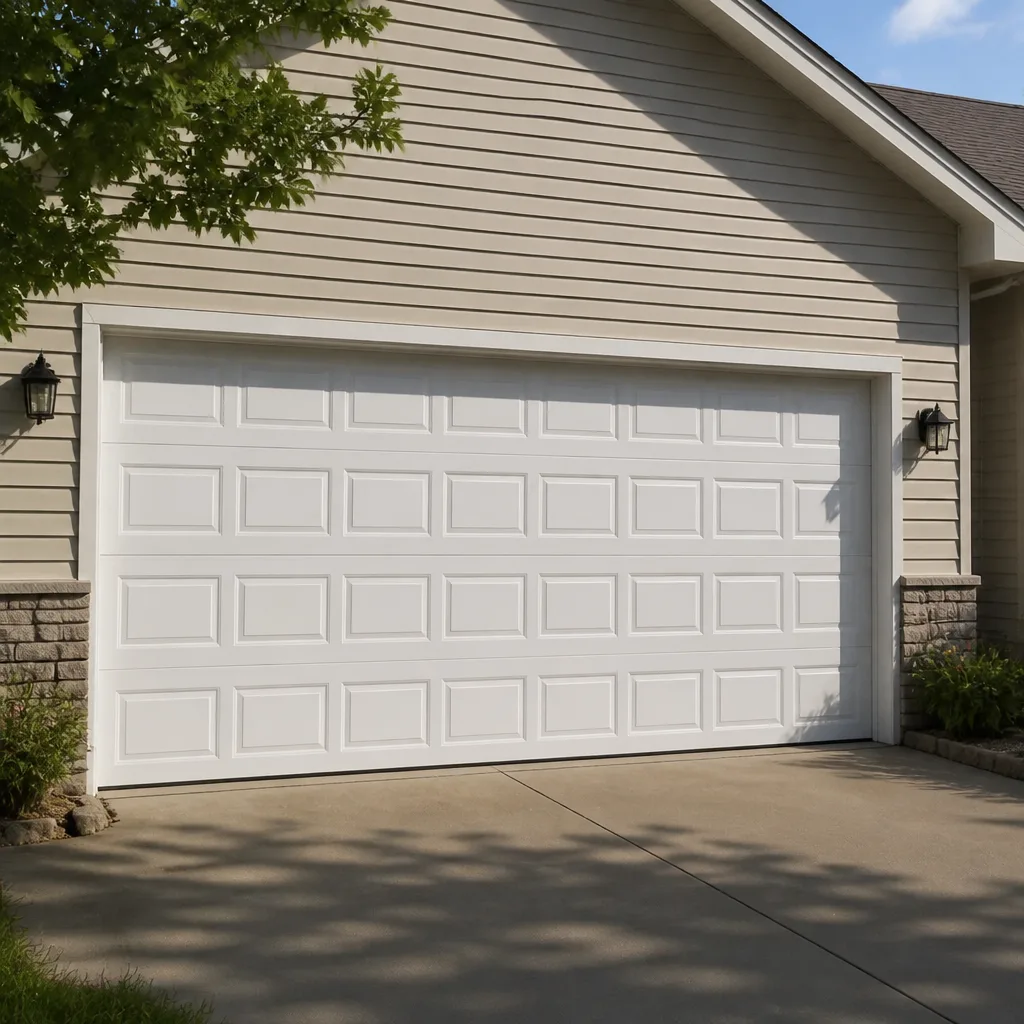 Raised-panel steel
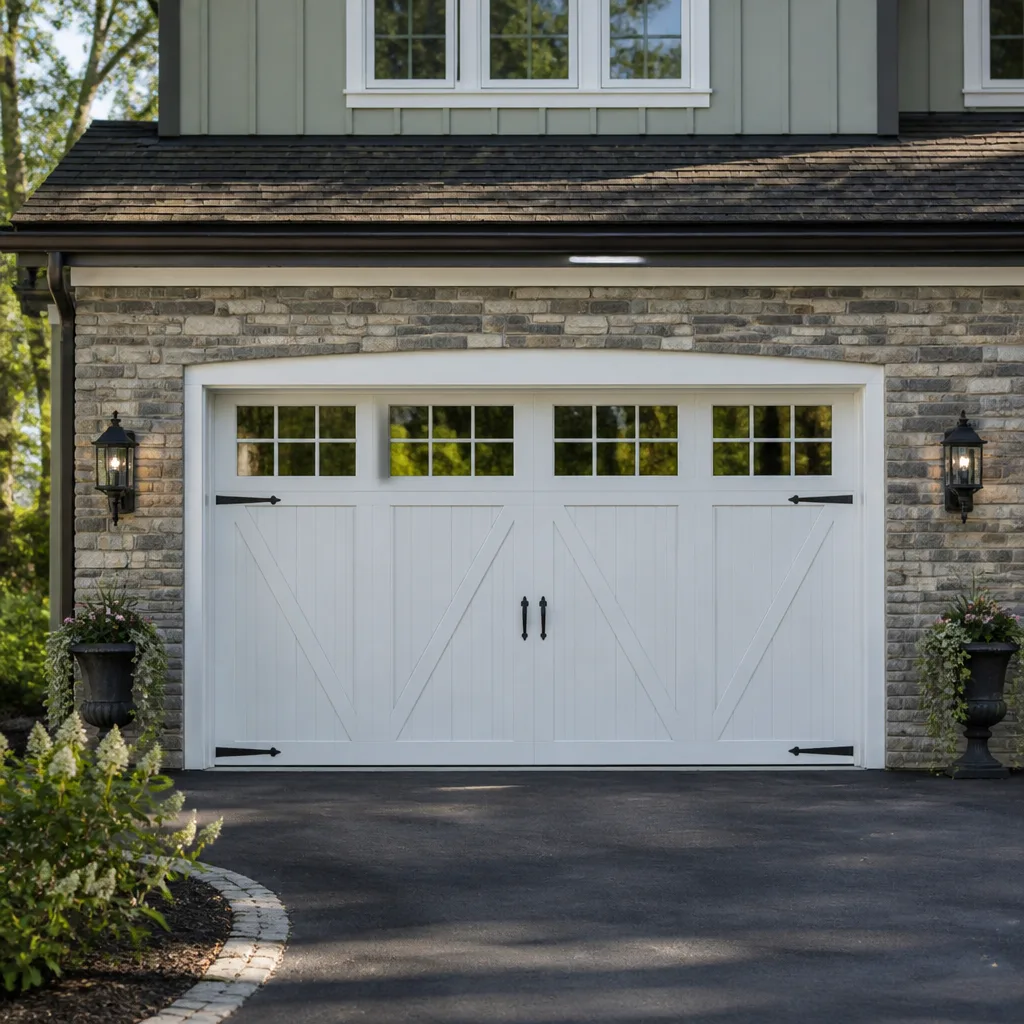 Carriage house
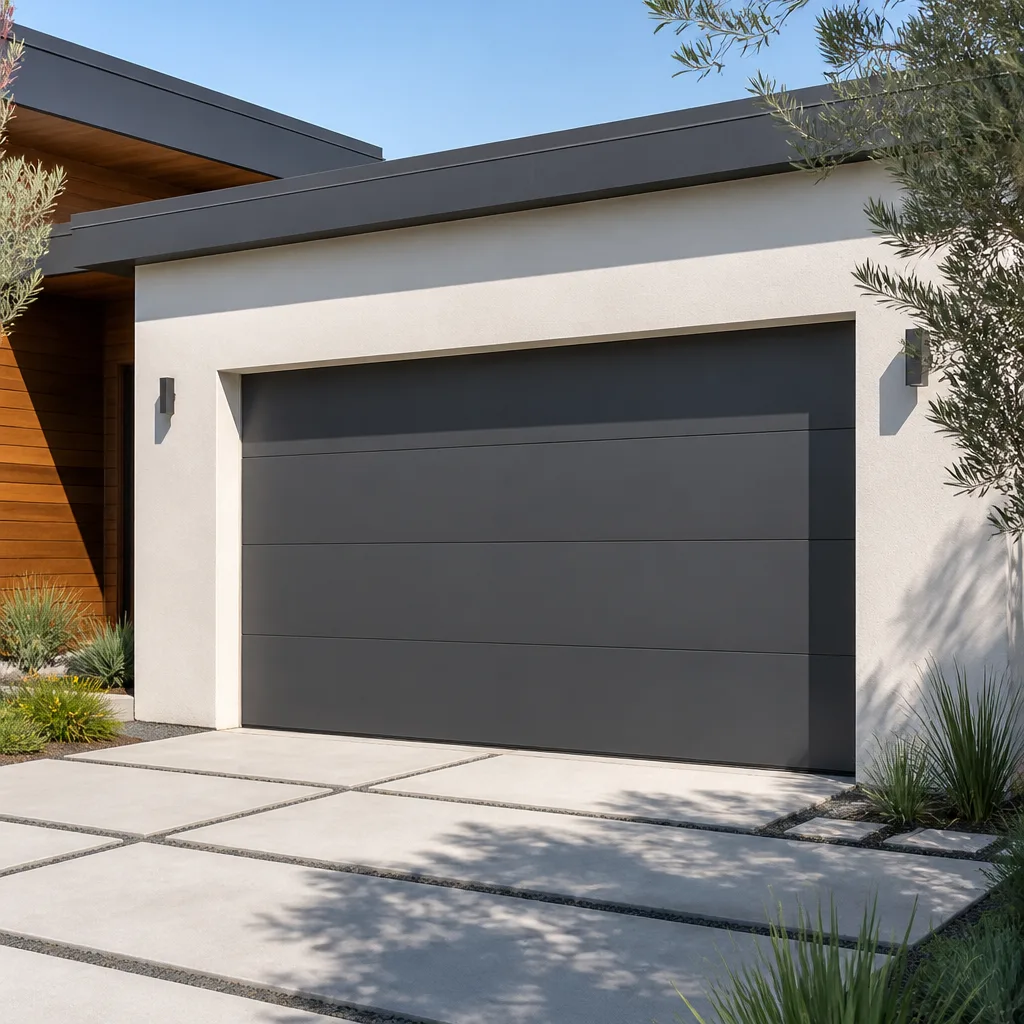 Modern flush
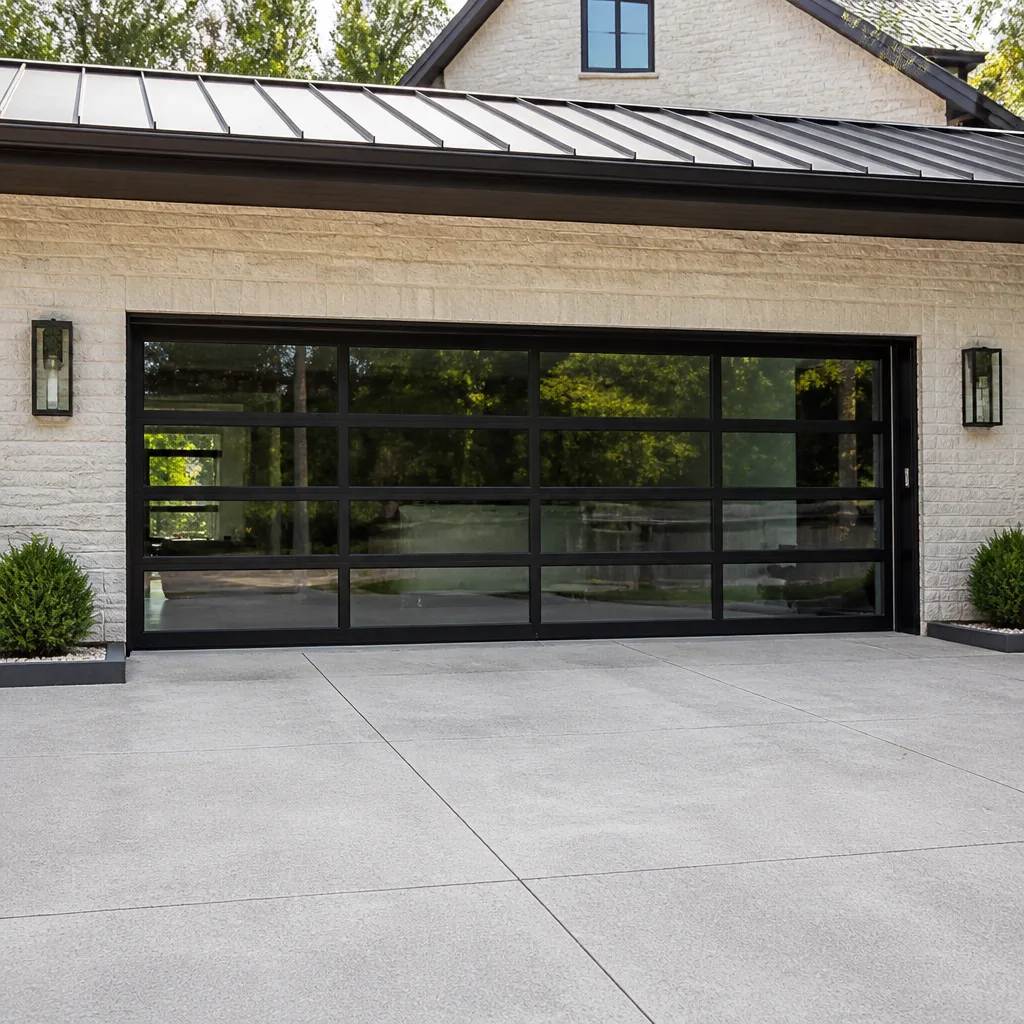 Full-view glass
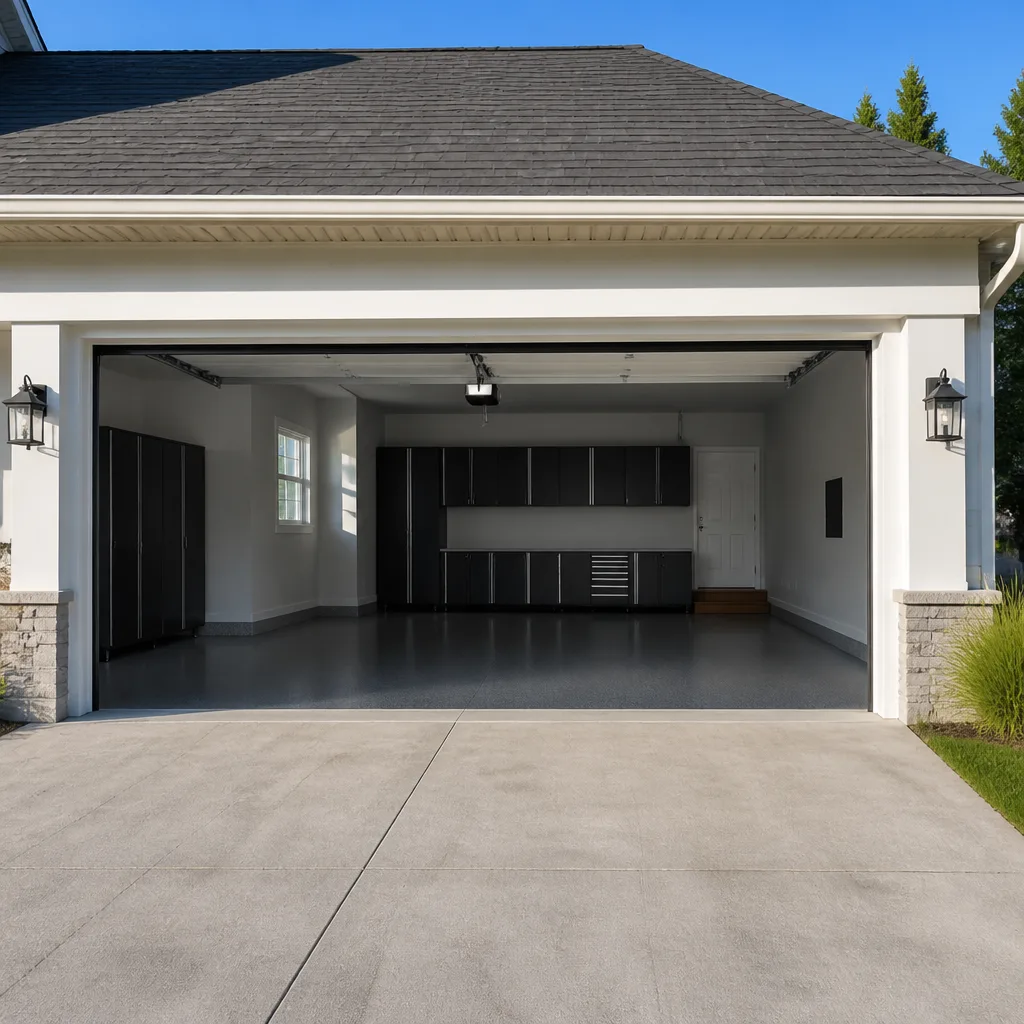 LiftMaster openers
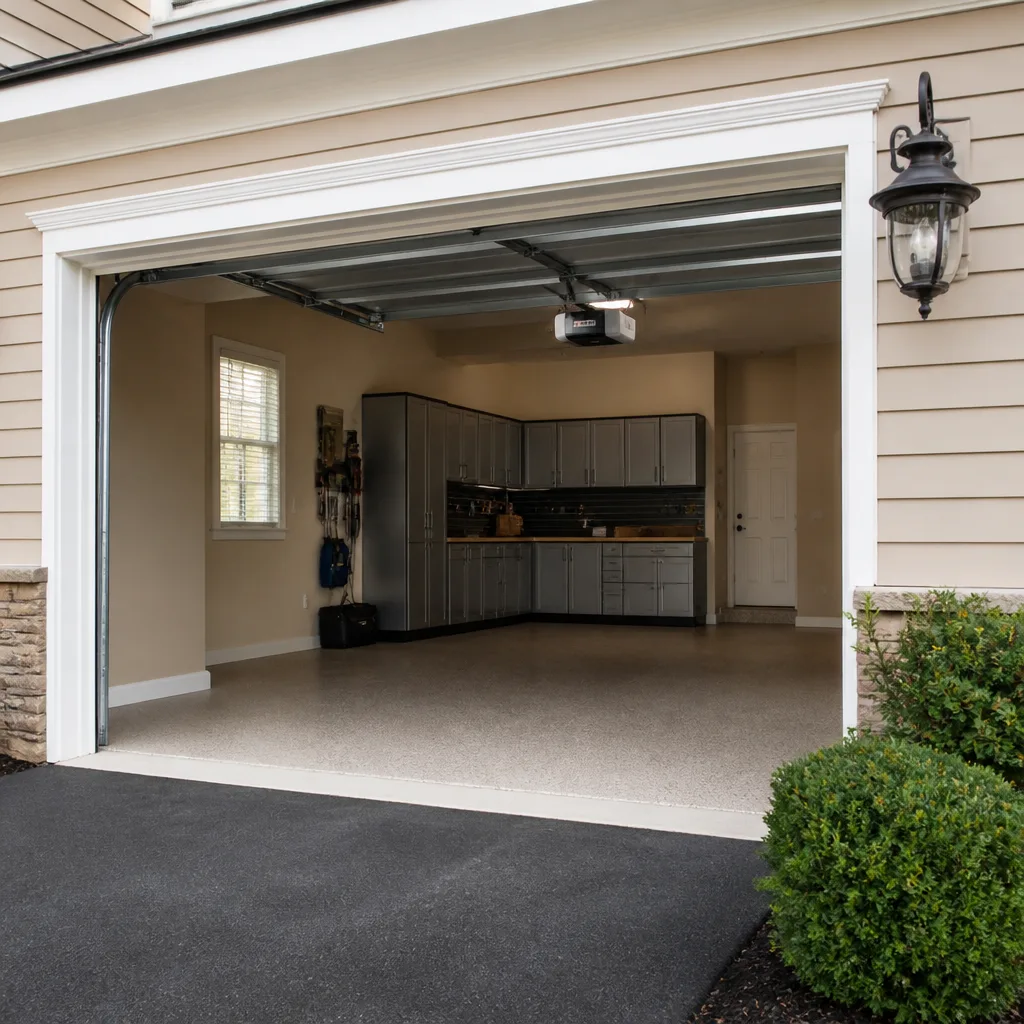 Chamberlain openers
Full 25-point door and opener safety check with every visit - springs, cables, rollers, tracks, and your LiftMaster or Chamberlain opener included
You get a price before we start. It does not change when the pro arrives.
Get your free estimateGarage Door Repair Maintenance Checklist for Riviera Bay Homeowners
If you’re lubricating your garage door springs every 12 months because a YouTube video told you to, you’re already behind. Most of those videos were filmed somewhere dry, where a door sees one seasonal swing a year and a little dust. Riviera Bay is not that place. Warm, humid air, near-daily summer thunderstorms, and air that carries salt from the bay all season long change which parts wear, how fast they wear, and what you should actually be looking at. This guide walks you through a maintenance checklist built for this climate, not a generic one. You’ll learn where corrosion starts first, what humidity does to wood and seals, how to inspect after a storm, which jobs are safe to do yourself, and which ones need trained eyes.
Quick Answer
A Riviera Bay garage door should be inspected monthly for corrosion on springs, cables, and bottom brackets, cleaned and lubricated every three to six months, and checked by a technician once a year for spring tension and cable integrity. After any strong thunderstorm or tropical system, add a quick post-storm inspection. Salt air and humidity cut lubrication intervals roughly in half compared with dry climates, so a 12-month schedule from a national video is too slow here.
Styles & brands we work with
- Raised-panel steel
- Carriage house
- Modern flush
- Full-view glass
- LiftMaster openers
- Chamberlain openers
Table of Contents
- Why Standard Checklists Miss the Mark in Riviera Bay
- Your Monthly Walk-Around
- Corrosion: Where Rust Starts First
- Humidity and Storm-Season Problems
- Post-Storm Inspection Protocol
- DIY-Safe Tasks vs. Technician-Only Tasks
- Keeping a Maintenance Log
- Annual Professional Inspection
Why Standard Checklists Miss the Mark in Riviera Bay
Most garage door maintenance checklists floating around the internet were written for a generic homeowner in a generic climate. They assume moderate humidity, mild corrosion risk, and a door that spends most of the year in stable conditions. Riviera Bay homeowners live with none of that. The air here holds moisture and salt, the summers bring heavy afternoon rain, and the daily temperature swing between a hot afternoon and a cooler night pulls condensation onto every metal surface in the garage.
That changes the math on maintenance. A hinge that might last two years between lubrications in a dry climate may start to stiffen in half that time here. A spring that shows a light rust bloom in Arizona would rust through much faster in Riviera Bay. This isn’t about scaring you into a service contract. It’s about giving you a checklist that reflects what actually happens to metal in this climate.
Here’s the core difference:
- Lubrication interval: Every 3-6 months here, not every 12.
- Corrosion inspection: Monthly, not annually.
- Post-storm check: After every significant thunderstorm or tropical system, not just once a season.
- Wood door swelling: A real concern in high humidity, not on most generic lists.
- Sensor fogging and moisture: A frequent cause of phantom opener faults here.
When we look at a garage door in Riviera Bay, we’re not looking for the wear patterns of a door in Ohio. We’re looking for the specific signatures of coastal Florida. This checklist reflects that.
Your Monthly Walk-Around
Set aside 10 minutes once a month. That’s all this takes. You’re not fixing anything, you’re looking. The point is to catch small problems before they turn into a snapped spring, a stuck door, or an opener that fails on a Monday morning when the car is trapped inside.
Here’s the order that works best:
- Look at the springs. If you can see them safely from the ground, note any rust, discoloration, or gaps. Do not touch or adjust them.
- Check the cables. Look for fraying near the drums at the top of the door and near the bottom brackets. If you see strands separating, stop and call a technician.
- Watch the door operate. Stand back and watch the whole cycle. Listen for grinding, popping, or uneven movement.
- Test the safety sensors. Wave an object across the beam. The door should reverse immediately.
- Check the weather seal. Look for tears, gaps at the bottom corners, or daylight showing through.
- Look at the rollers and hinges. Note any visible rust, wobble, or grinding.
- Inspect the tracks. Look for dents, bends, or debris that would catch a roller.
Ten minutes a month adds up fast. Most of the serious repairs we handle in Riviera Bay started as small things a homeowner could have spotted earlier with a monthly look. If you find something that worries you, a professional inspection is the right next step. For a full diagnostic, see our garage door repair service.
Corrosion: Where Rust Starts First
Corrosion isn’t uniform on a garage door. It starts in specific places, and knowing where to look saves you from missing it until it’s expensive. In Riviera Bay, the salt carried in the air and the humidity combine to attack metal steadily, not dramatically. That means a light rust bloom on a spring is not just cosmetic. It’s the start of a failure.
The first three places rust takes hold:
- The springs. Look closely at the coil surfaces and especially where the springs connect to the center bracket or the drums. Rust on the coil reduces its ability to flex cleanly and shortens its life. If you see flaking or orange dust, that spring is on borrowed time.
- The cables. Cables run from the bottom brackets to the drums. Rust on a cable is more dangerous than on many other parts because it weakens the wire strands invisibly from the inside. Fraying at the bottom bracket is a hard stop: call a technician.
- The bottom brackets. These are low to the ground, often splashed during storms, and carry the tension of both the door and the cables. Rust here is common and worth watching. Don’t loosen or adjust them yourself.
Secondary spots to check:
- The hinges, particularly where they pivot. A stiff hinge grinds the roller and the track.
- The rollers, especially if they’re nylon. Nylon rollers crack more than they rust, but steel rollers rust at the axle.
- The track bolts and any fasteners showing orange staining.
Our technicians have up to 13 years of experience and can tell you at a glance which rust is cosmetic and which is structural. If you’re seeing rust in more than one of the spots above, it’s worth a professional inspection so you know what you’re dealing with.
Humidity and Storm-Season Problems
Standard checklists don’t talk about wood door swelling, sensor fogging, or weather seal failure because most of the country doesn’t have the same humidity pattern as Riviera Bay. Here, these are three of the most common issues we see.
Wood Door Swelling
Wood absorbs moisture. When the air is heavy with humidity, wood panels and frames expand. The problem shows up as doors that rub on the frame, sections that bind when they move, or hinges that start to feel loose. Over time, swelling and drying cycles crack the finish and open wood to further moisture. If your door is wood and it’s binding in summer but fine in cooler months, that’s the pattern. Resealing the door periodically matters here.
Sensor Fogging and Moisture
Safety sensors are the number one cause of “the opener quit working” calls we get in Riviera Bay. When the air is humid and warm, moisture can settle on the sensor lenses and block the beam. Dead bugs, spiders, and pollen do the same. Before you assume the opener is broken, wipe both sensor lenses gently with a dry cloth and check for anything between them.
Weather Seal Failure
The bottom weather seal takes a beating from sun, humidity, and rain. When it hardens, cracks, or tears, water gets in under the door. This does two things: it promotes corrosion at the bottom panel, and it lets water into the garage. If the seal is brittle or you can see daylight under the closed door, it needs replacing. It’s a straightforward job.
For a door with an opener that’s acting like it’s failing, most of these humidity issues trace back to sensors and wiring rather than the motor. Our garage door opener repair service can sort it out.
Post-Storm Inspection Protocol
After a strong Pinellas County thunderstorm or any tropical weather event that brings wind and heavy rain through Riviera Bay, do a quick walk-around before you operate the door normally. You don’t need a technician for the first pass. You need five minutes and a flashlight.
Here’s the sequence:
- Check the door from outside. Look for visible dents on the panels, bent tracks, or a door that’s been pushed off its line.
- Look at the tracks. Wind can shift a door enough to bend the track. A bent track will catch the roller and stop the door mid-travel.
- Inspect the bottom seal. Heavy rain can push water under the door and weaken the seal at the threshold.
- Check the safety sensors. Clean any debris, mud, or leaves out of the sensor path.
- Test the balance by hand. With the opener disconnected, lift the door to about waist height. It should stay roughly where you leave it, and it should move without much effort. If it drops, races up, or feels heavy, stop and call a technician.
- Look at the springs and cables. Check for obvious rust dust, a visible gap in a spring, or frayed cables. Do not touch or adjust anything.
- Run one full cycle. Let the door go all the way up and down while you watch. If anything looks or sounds wrong, stop.
Storm damage often shows up subtly. A track that’s slightly out of alignment may work fine today and stop the opener tomorrow. Better to catch it before you’re pinned with a car inside a stuck door. If you’re unsure after your inspection, call us out to take a look. For doors that won’t operate at all, our Garage Door Repair Riviera Bay team is set up for emergency service.
DIY-Safe Tasks vs. Technician-Only Tasks
Some garage door maintenance is genuinely fine to do yourself. Other parts of the system are not. Knowing the line between the two matters, because the wrong DIY job here can seriously injure you.
Safe to Do Yourself
- Lubricating hinges, rollers, and the torsion bar bearings. Use a garage door specific lubricant, not WD-40. Apply it sparingly and in a consistent pattern so it doesn’t turn into a sticky mess. Every 3-6 months in Riviera Bay.
- Cleaning the safety sensor lenses with a dry cloth.
- Testing the safety sensors and the auto-reverse function.
- Cleaning the tracks with a damp cloth and a mild cleaner. Don’t use a solvent that could damage the finish.
- Replacing the bottom weather seal if you’re comfortable with the product instructions. It’s a simple slide-in job.
- Cleaning the door panels, especially on the lower panels where road dust and yard debris settle.
- Tightening visible hinge and track bolts that have worked loose. Snug, not torqued.
- Testing the opener’s force settings as described in your manual.
Technician-Only Tasks
These aren’t recommendations. They’re the line. If you cross it, you can be seriously hurt.
- Adjusting or replacing springs. A torsion spring is under enormous tension and can release violently. This is the single most dangerous part of a garage door system. Don’t touch it.
- Adjusting or replacing cables. Cables carry the same tension. A snapped cable whips. Don’t go near them with tools.
- Adjusting the bottom brackets. These are under tension from the cables.
- Adjusting track alignment. Small track adjustments can redirect a falling door.
- Replacing rollers while they’re under load from the door.
- Replacing the opener if it fails or the wiring needs attention.
It’s tempting to save a service call by handling the springs yourself. It’s the wrong trade. Springs are the most dangerous component of any garage door system, and a trained technician is the right person for them. If you’re not sure whether a problem falls in the DIY-safe column or the technician-only column, that’s your answer. Call us. Our garage door installation team also handles full replacement when it’s time.
Keeping a Maintenance Log
A maintenance log seems like overkill until the third time you’re trying to remember when the door started making that grinding sound. It’s a simple tool that turns guesswork into a trend a technician can actually read. Logs are how our technicians spot deterioration early, and they’re how you avoid the pattern of “call only when it breaks”.
Here’s a format that works:
- Date and time of inspection. Note whether it was a routine check or a post-storm pass.
- Weather conditions. Humidity, rain, or storm in the last week. This matters in Riviera Bay.
- What you looked at. Springs, cables, seals, sensors, rollers, hinges, tracks.
- What you found. “Light rust on right spring,” “sensor needed cleaning,” “door binding at top,” etc.
- What you did. Lubricated, tightened, cleaned, or nothing.
- Photos. One photo of the springs, one of the bottom brackets, one of the sensors. Same angles each time.
The photo part is the quiet power move. Over six or twelve months, a technician can compare a photo from March with one from September and see whether rust is progressing or staying put. That’s information no memory can give you. Bring your log to your annual professional inspection. It’s the difference between a technician guessing and a technician knowing. Our team works on whatever brand and model your home already has, whether that’s a LiftMaster opener, a Chamberlain unit, or something older.
Annual Professional Inspection
The tasks you can’t safely do yourself are the tasks a professional should look at once a year. Spring tension is the biggest of these. A spring’s tension can drift before it fails, and a technician can check it accurately. Cables can fray on the inside in ways you can’t see. Track alignment, roller wear, opener force settings, and sensor wiring all deserve trained eyes once a year to catch what a homeowner can miss.
Here’s what a professional inspection should cover:
- Spring tension and condition, both torsion and extension springs if present.
- Cable condition, including the strands inside the housing.
- Bottom bracket condition and adjustment.
- Roller wear and alignment.
- Hinge and pivot condition.
- Track straightness and level.
- Door balance and travel.
- Opener operation and force settings.
- Safety sensor alignment and function.
- Weather seal condition and fit.
- Panel condition, including any delamination or rust through.
- Lubrication status of all moving parts.
If you’ve been maintaining your Riviera Bay door yourself throughout the year, bring your log and photos to the appointment. A technician who can see what you found in March and again in June will give you a clearer answer than a technician doing a blind inspection. That’s not marketing. It’s how a maintenance visit actually produces useful information. Our technicians have up to 13 years of experience and are familiar with the major brands on the market, so they’re ready to read whatever pattern your log shows.
Common Mistakes to Avoid
- Lubricating on a national schedule. The recommended 12-month interval in many videos is for a dry climate. In Riviera Bay, the humidity and salt in the air cut that interval roughly in half. Lubricate every 3-6 months here.
- Ignoring a light rust bloom on a spring. On a spring, a little rust is a warning, not a cosmetic issue. It shortens the spring’s life and can lead to a snap. If you see it, note it and get it inspected.
- Adjusting springs or cables. This is the most serious mistake a homeowner can make. Those parts are under tension and can release violently. Don’t touch them, no matter how simple the video makes it look.
- Skipping the post-storm inspection. A door that survived a storm can still have a bent track or a hidden cable issue. Five minutes after each storm prevents a stuck door the next morning.
- Tightening seals and hinges without checking for swelling. On a wood door in Riviera Bay, swelling can make a door bind. Tightening or forcing things when the door is swollen can crack panels. If a wood door binds only in humid months, that’s swelling, not a hardware problem.
- Blaming the opener when it’s the sensor. A dead opener and a fogged sensor produce the same symptom: door doesn’t respond. Clean the sensor lenses before calling for opener repair.
- Never keeping records. Without a log, you can’t tell whether a problem is new or has been developing for months. A simple log with photos gives your technician a trend to track.
See the difference
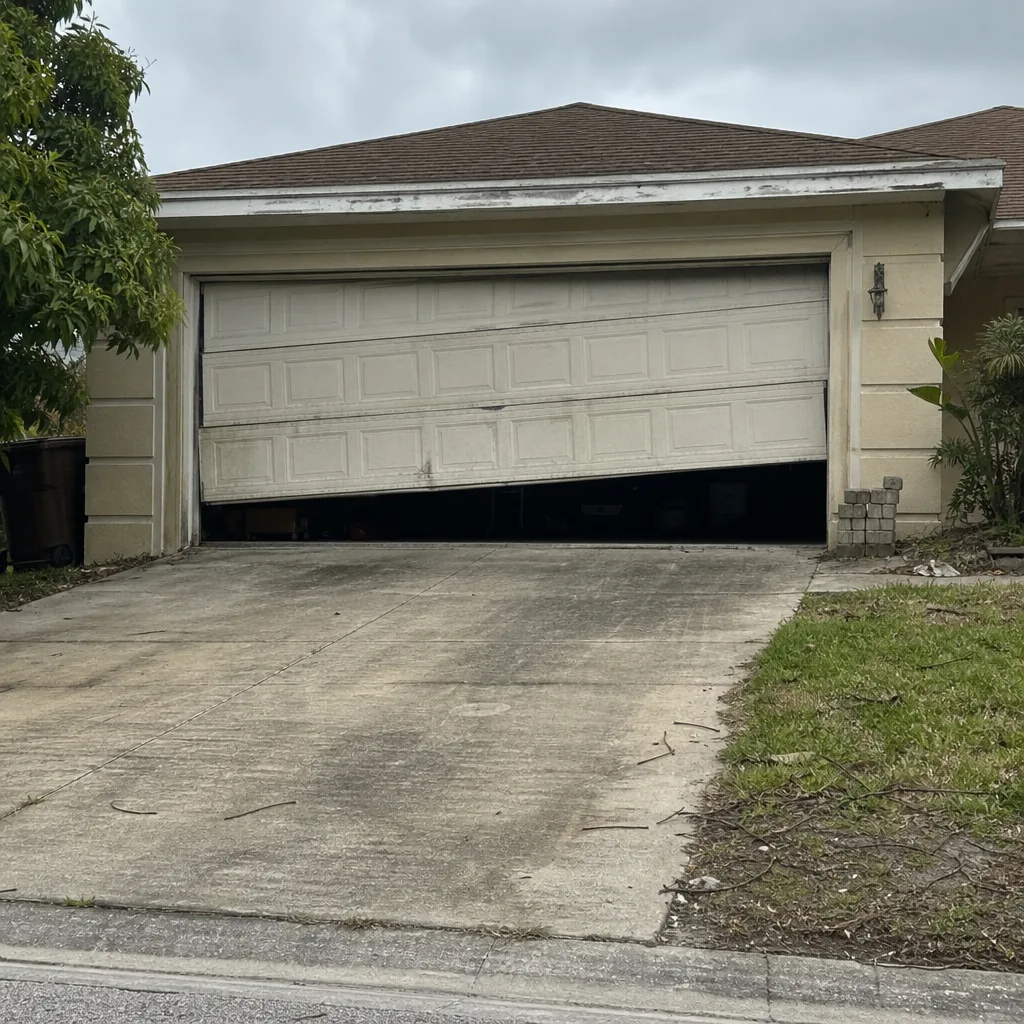 Before
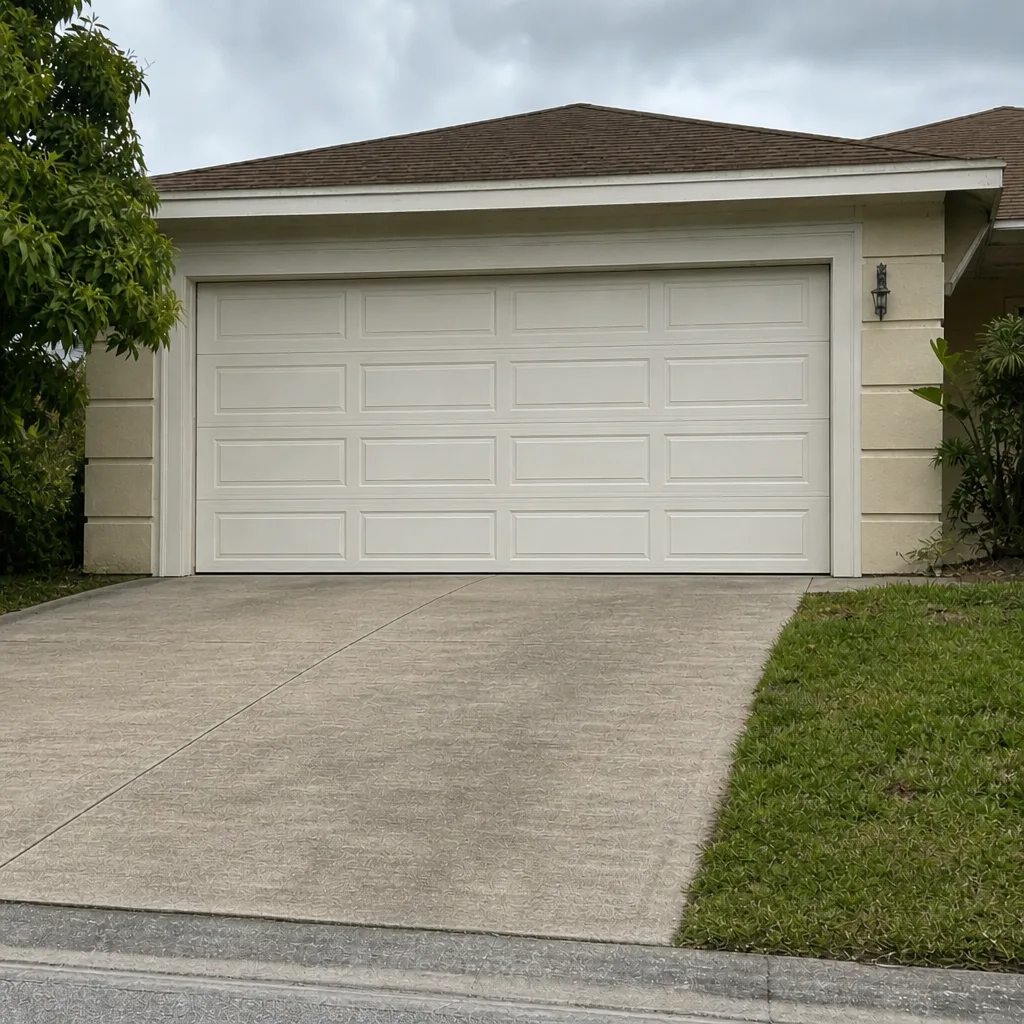 After
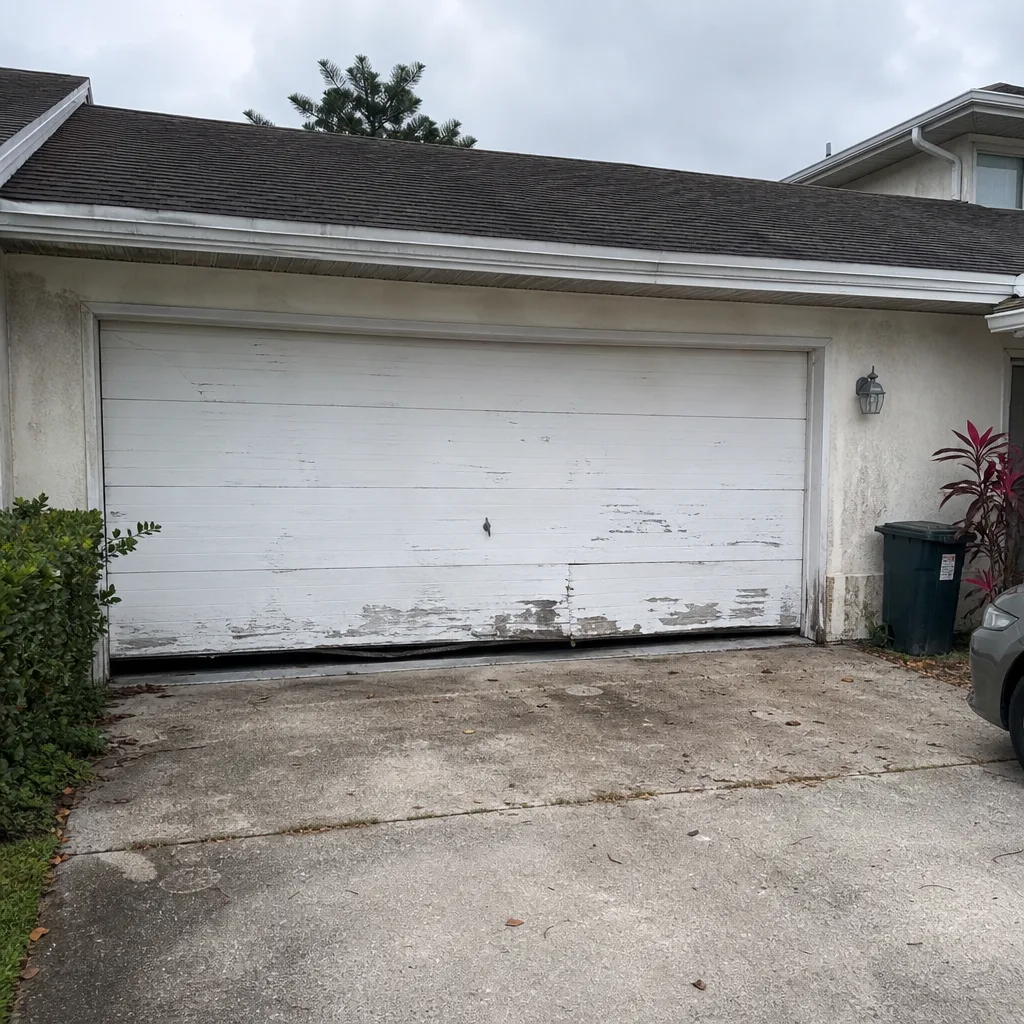 Before
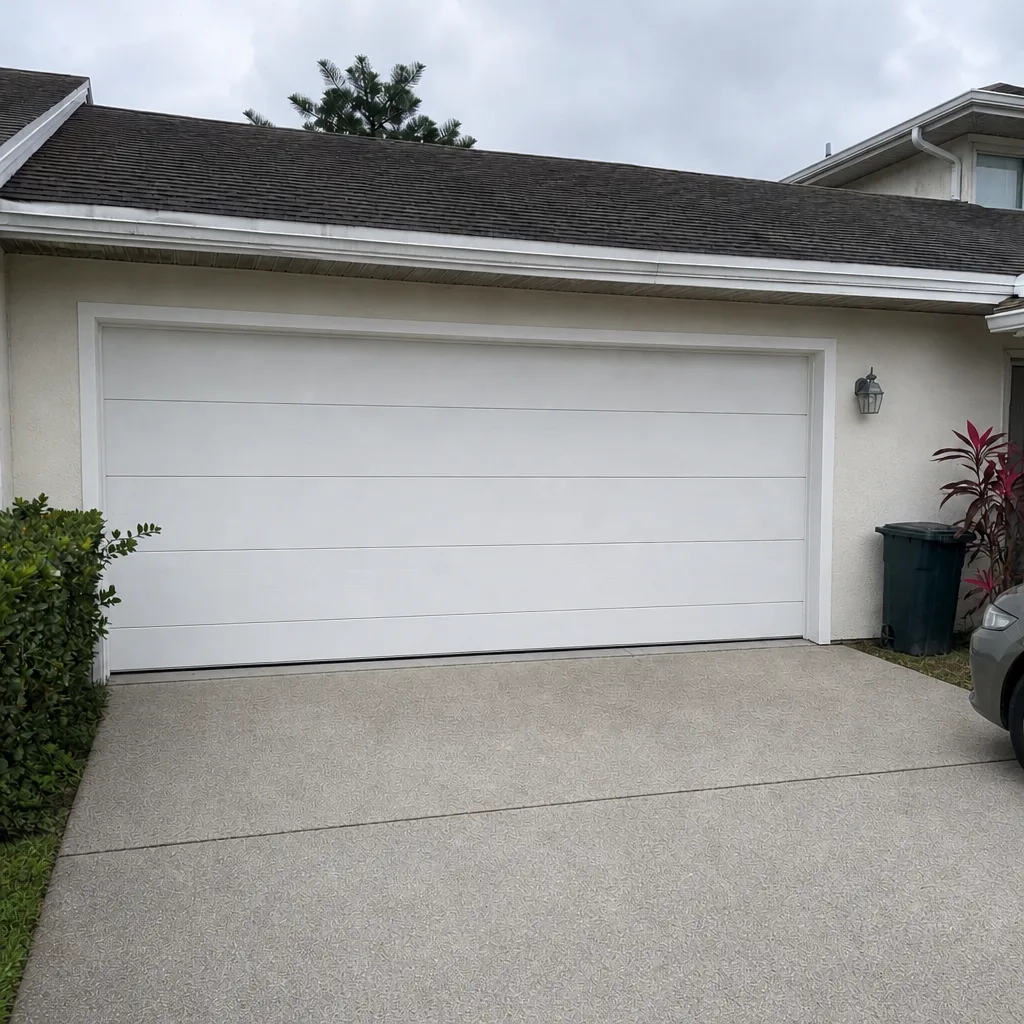 After
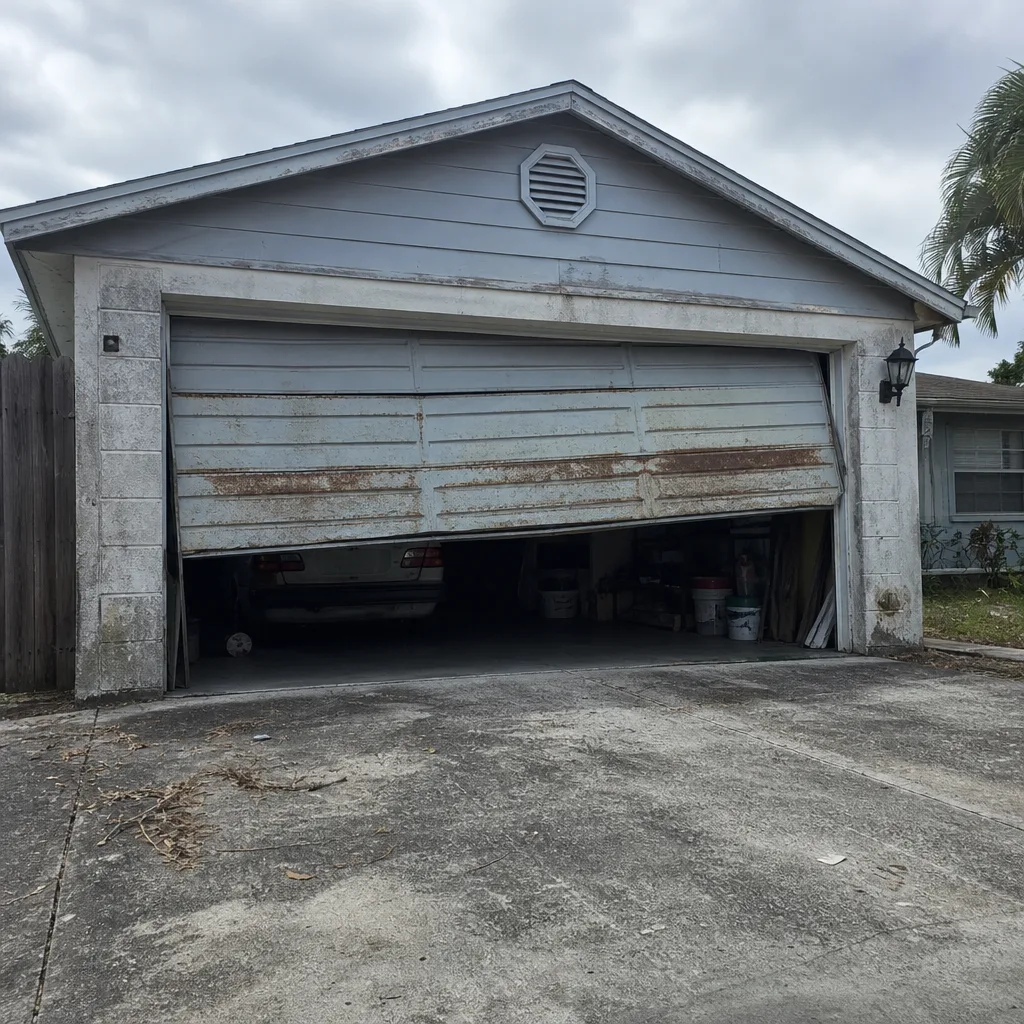 Before
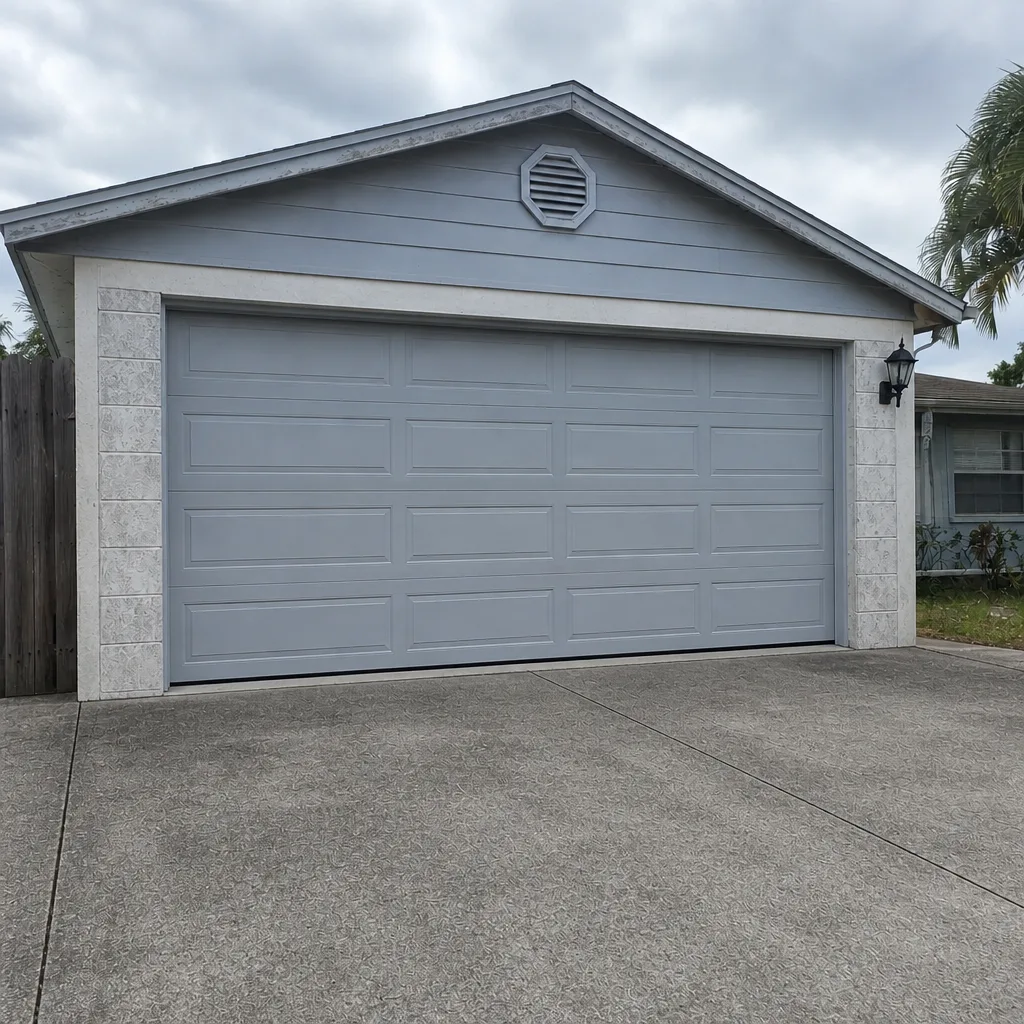 After
When to Call a Professional
Some garage door problems in Riviera Bay are safe to handle yourself. Others need a trained technician, and a few are genuinely urgent. Call us right away if you find: a spring with a visible gap or heavy rust, a cable that’s frayed or snapped, a door that dropped or won’t stay at waist height when you lift it by hand, a door that’s stuck open, a bottom bracket that’s loose or bent, or an opener that behaves erratically after sensor cleaning. For any of these, don’t operate the door more than necessary and don’t try to adjust the parts yourself. For routine repairs and inspections, Garage Door Repair Riviera Bay offers free estimates in Riviera Bay. Call (855) 595-5127 and we’ll diagnose first, then recommend what the door actually needs.
Frequently Asked Questions
Every three to six months in Riviera Bay, not the 12 months you’ll see on national maintenance videos. Humidity and salt in the air accelerate wear on hinges, rollers, and the torsion bar bearings. Use a garage door specific lubricant and apply it sparingly. If you’ve been on a 12-month schedule, you’re overdue. Call (855) 595-5127 for a professional inspection if you’re not sure of the door’s current condition.
You can look, but you cannot touch. Visual inspection from a safe distance is fine: note rust, discoloration, or a visible gap in the coil. Do not try to adjust, stretch, or remove a spring, and do not use tools near the springs or the center bracket. A torsion spring is under enormous tension and can release violently. Spring repair is a technician’s job. Call us for a safe inspection.
Check the door from outside for dents and bent tracks, inspect the bottom seal, clean any debris from the sensor path, and test the door’s balance by hand with the opener disconnected. Run one full cycle and watch for uneven movement or unusual sounds. If you find a bent track or a frayed cable, stop and call a technician. Our emergency service covers storm damage that leaves a door stuck or insecure.
Probably not. In Riviera Bay, moisture on the safety sensor lenses or debris in the sensor path is the most common cause of a door that stops responding during humid weather. Wipe the lenses gently with a dry cloth and clear anything between them before assuming the opener has failed. If it’s still not working, call (855) 595-5127 for an opener diagnostic.
Yes. Our technicians work on LiftMaster, Chamberlain, Genie, Raynor, Clopay, Amarr, Wayne Dalton, and Craftsman systems, along with most other major brands. We diagnose your existing system first, then recommend what fits your actual door and needs, not what we have in stock to sell. Call for a free estimate.
Yes. Monthly DIY checks catch what you can see from the ground. Yearly professional inspections catch what you can’t: spring tension drift, internal cable fraying, track alignment, and opener force settings. The two work together. Bring your maintenance log and photos to the appointment and the technician can turn your observations into a real trend. Call (855) 595-5127 to schedule.
The Bottom Line
A garage door maintenance checklist for Riviera Bay has to be built for this climate, not borrowed from a dry one. The short version: look monthly for corrosion on springs, cables, and bottom brackets, lubricate every 3-6 months, add a post-storm inspection after every strong thunderstorm, and get a professional inspection once a year so spring tension and cables get trained eyes. Keep a log with photos so your technician can read trends, not snapshots. And respect the line between DIY-safe and technician-only. Springs, cables, and bottom brackets carry dangerous tension, and a trained technician is the right person for them. If anything on your door feels uncertain, that’s the moment to call.
When the door is telling you it needs more than a look, we’re ready. Garage Door Repair Riviera Bay works on your brand, your model, your existing system, from the opener electronics to the springs, and we diagnose before we recommend so you’re not paying for anything the door doesn’t actually need. Call (855) 595-5127 for a free estimate in Riviera Bay.
Written by the team at Garage Door Repair Riviera Bay.