Last updated November 22, 2026
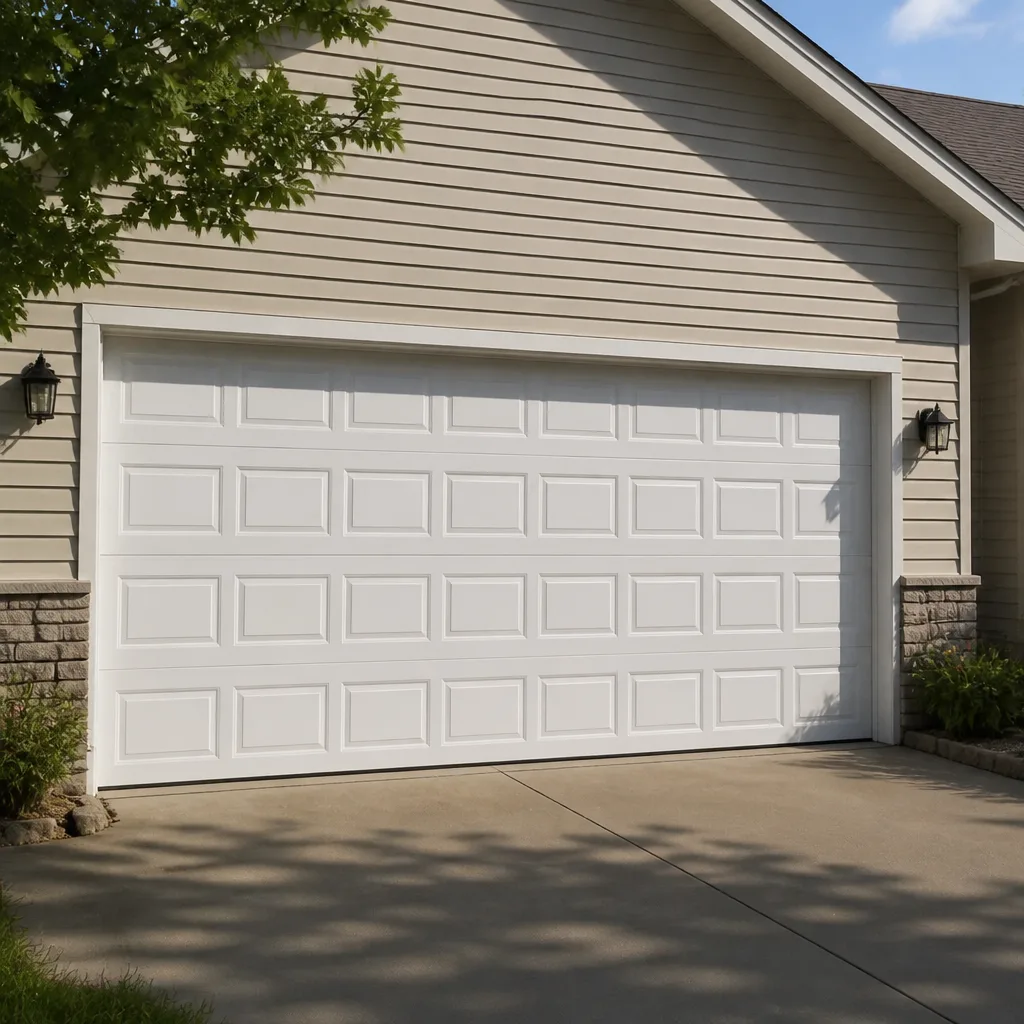 Raised-panel steel
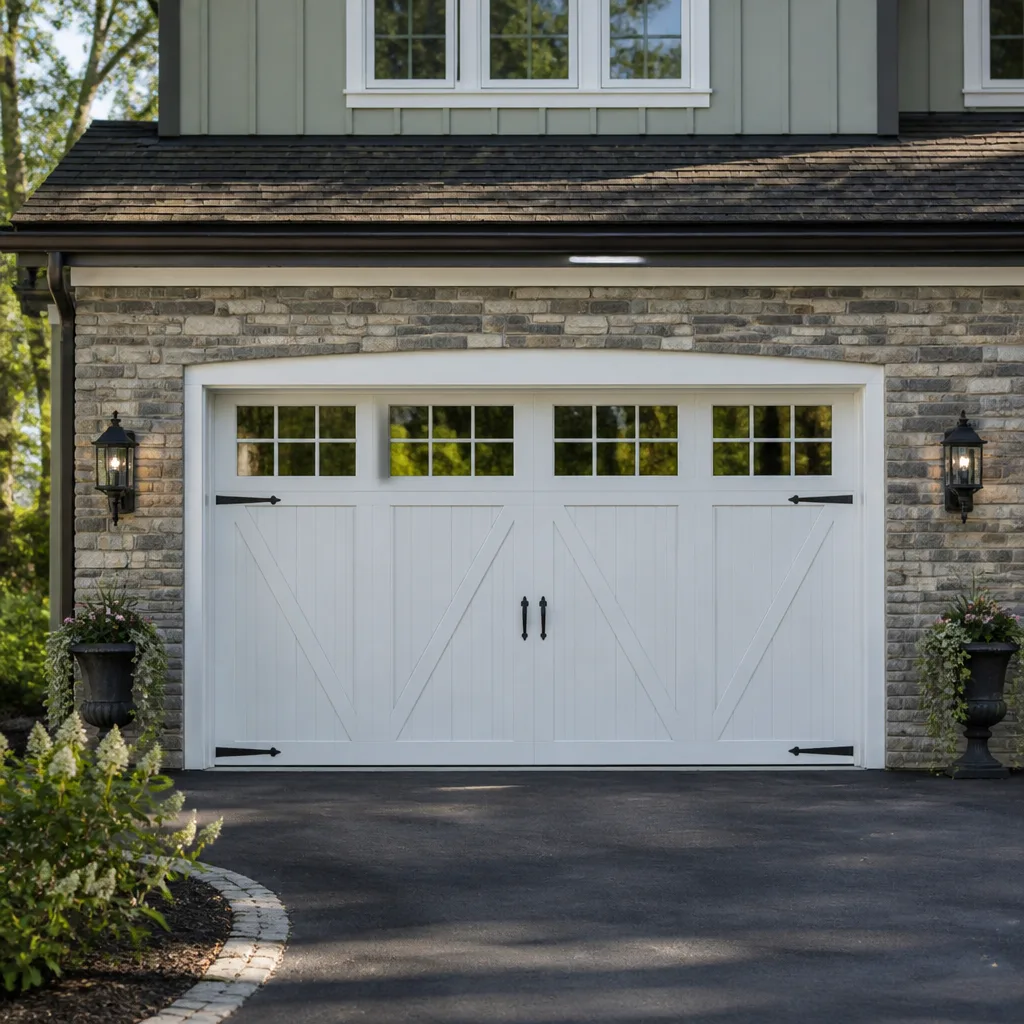 Carriage house
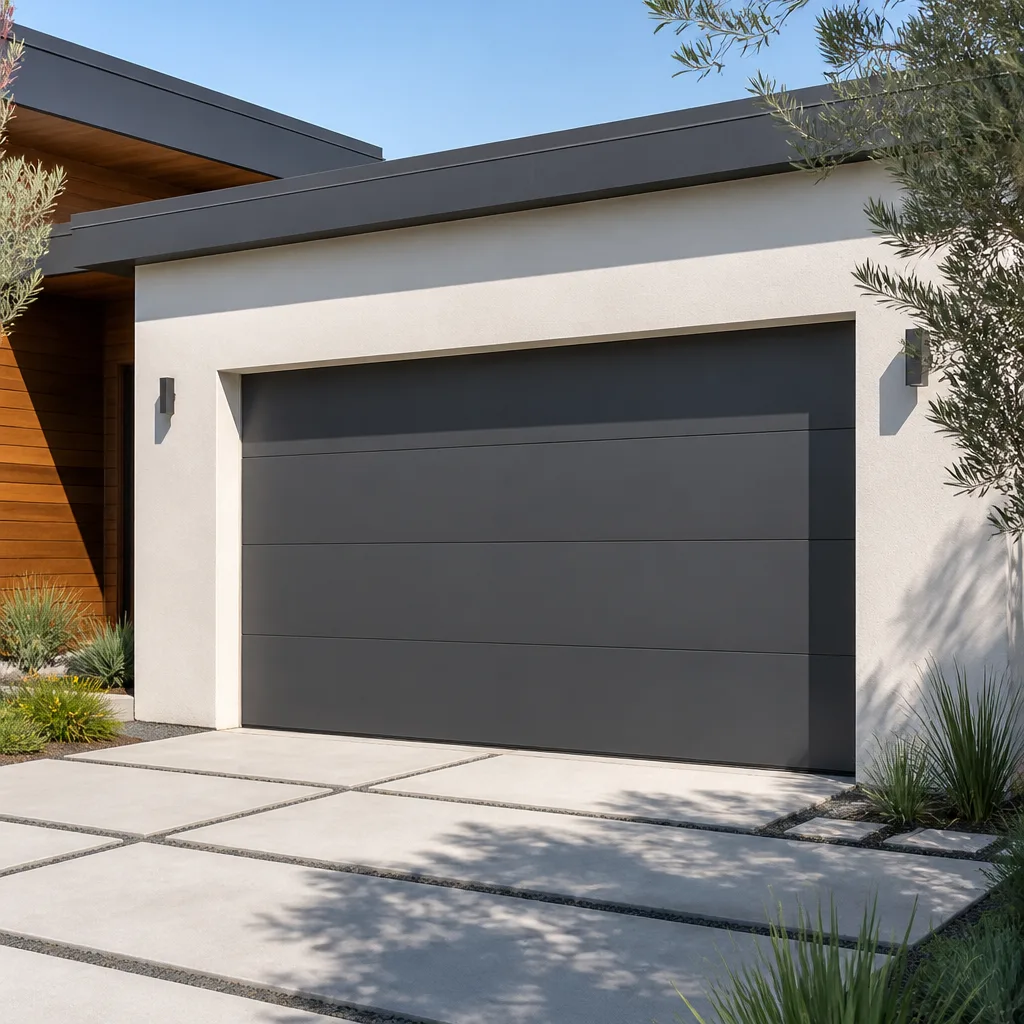 Modern flush
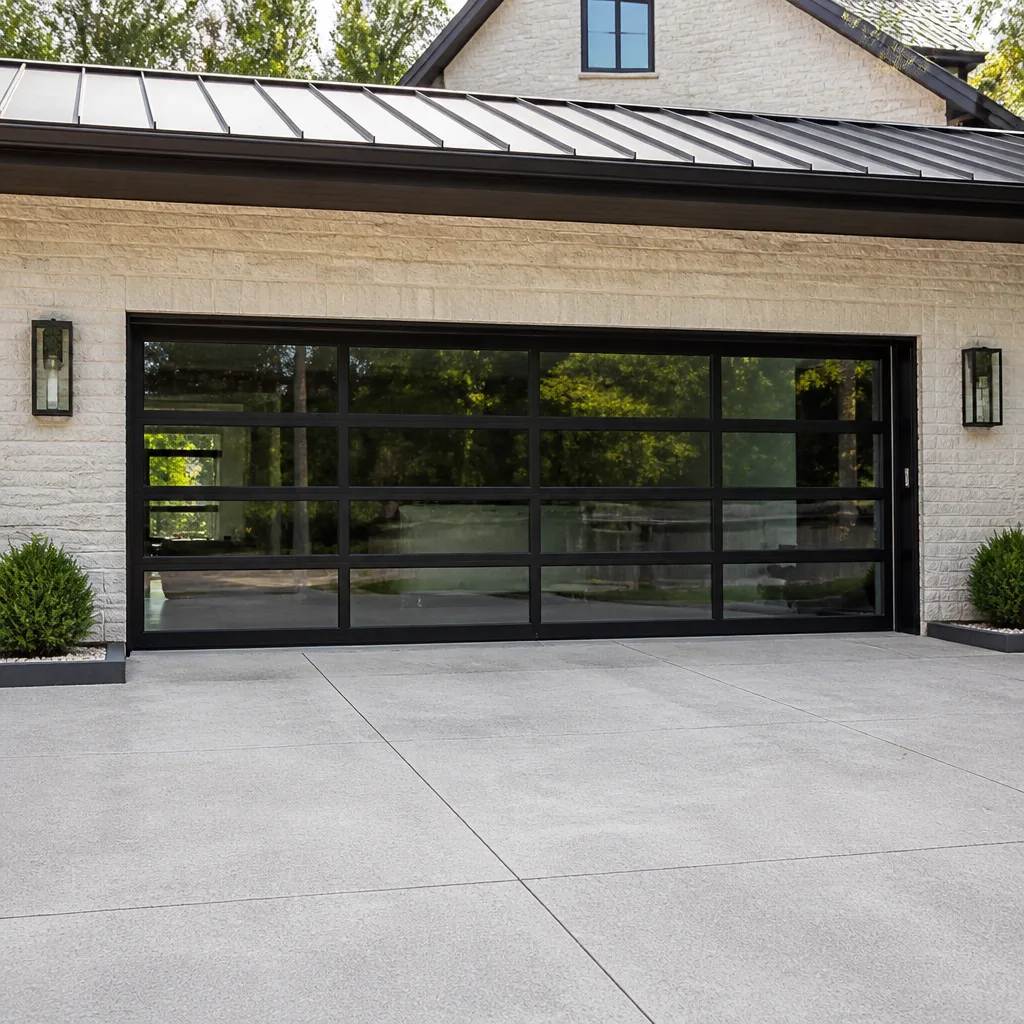 Full-view glass
 LiftMaster openers
 Chamberlain openers
Full 25-point door and opener safety check with every visit - springs, cables, rollers, tracks, and your LiftMaster or Chamberlain opener included
You get a price before we start. It does not change when the pro arrives.
Get your free estimateDIY vs Professional Garage Door: The Riviera Bay Homeowner’s Decision Guide
Replacing a bottom weather seal takes about twenty minutes with a screwdriver and a pair of pliers. Adjusting spring tension is the kind of task that sends people to the emergency room. The line between the two isn’t obvious until someone explains it, and that gap is exactly where most Riviera Bay homeowners get stuck. This guide draws that line clearly: what you can safely handle, what you shouldn’t touch, and how to decide which is which before you climb a ladder. We’ll also cover how to price a DIY attempt honestly, the middle path that can trim a technician’s bill, and the Florida-specific variables that move a few normally-simple jobs into professional territory. By the end you’ll know where your project sits.
Quick Answer
About 80% of garage door maintenance is genuinely safe to do yourself: lubrication, sensor realignment, remote reprogramming, and weather seal replacement. The dangerous 20% is anything that involves the springs and cables carrying the door’s weight, and those should go to a trained technician. When in doubt in Riviera Bay, the deciding question isn’t “Is this hard?” It’s “Is stored mechanical energy involved?”
Styles & brands we work with
- Raised-panel steel
- Carriage house
- Modern flush
- Full-view glass
- LiftMaster openers
- Chamberlain openers
Table of Contents
- Where the DIY Line Actually Falls
- The DIY-Safe Tasks You Can Handle
- Why Springs and Cables Are Different
- How the Riviera Bay Climate Shifts the Equation
- Counting the Real Cost of DIY
- The Middle Path: Prep and Diagnose
- Common Mistakes to Avoid
- When to Call a Professional
Where the DIY Line Actually Falls
Most homeowners assume the split runs like this: small jobs are DIY, big jobs are professional. That’s not how it works. The relevant split is energy. A garage door is a heavy panel, often several hundred pounds, balanced on a torsion or extension spring system under tension at all times. Every task that keeps the door on the ground and away from that tension can be done safely. Every task that opens it up to the energy stored in the spring system is a professional job, even when the component looks small.
Here’s a simple way to think about it. Walk up to your closed door in Riviera Bay and look at it. If the task in front of you requires the door to stay in place, unlatch, or sit untouched while you work, it’s probably in the safe column. If it requires lifting, removing, or climbing anything that holds the door up, it’s almost certainly not.
The safe list, in plain terms:
- Lubricating hinges, rollers, and tracks
- Realigning safety sensors at the base of the opening
- Reprogramming remotes and keypads
- Replacing the bottom weather seal
- Cleaning photo-eyes and the operator lens
- Replacing a broken remote battery or a dead wall control
The professional list:
- Any spring replacement, adjustment, or tension work
- Any cable repair, re-spool, or drum replacement
- Panel replacement when the door is under spring tension
- Track straightening that involves loosening hinges
- Anything on a door that’s stuck open or sagging on one side
That split is the whole decision framework. The rest of this guide is about applying it in a Riviera Bay driveway rather than a workshop.
The DIY-Safe Tasks You Can Handle
The tasks listed above are genuinely within reach for most homeowners, and if you own a ladder, a socket set, and a screwdriver you already have what’s needed. What matters is doing them right, and knowing when a “simple” job turns into something else.
Lubrication is the most underrated item. A garage door has hinges, rollers, and a torsion tube that all benefit from a light spray of a proper door lubricant (not WD-40, which attracts dust). Twice a year is usually enough, more often on a door that gets heavy use. If your door has developed a squeak in Riviera Bay’s humid air, lubrication is the first thing to try.
Sensor alignment is the most common cause of a door that opens a few inches and stops. The photo-eye at the bottom of each track needs to face its partner across the opening. If the small indicator light on either sensor is out or flickering, start there. Clean the lens with a soft cloth, then check that the brackets holding the sensors are still plumb and square to the door.
Remote and keypad reprogramming is a manual job, not a mechanical one. Every major brand uses slightly different steps. For a LiftMaster or Chamberlain opener, you’ll typically hold the “learn” button on the head unit until the LED blinks, then press the remote button twice. Genie units usually want you to press the button on the remote first and then the operator. Pull up the manual for your exact model and take your time; this is one place we see people overwrite the whole memory by pressing the learn button by accident.
Bottom weather seal replacement is the classic example of a small job with a real payoff. A torn or flattened bottom seal lets in rain, humid air, and small pests, and it’s a two-tool job on most doors. Slide the old seal out of its channel, cut the new one to length with a little slack, and feed it back in. On Riviera Bay’s older homes, this one task sometimes takes twenty minutes. On a door with a rusted or bent retainer, it’s the point where we suggest a call.
Why Springs and Cables Are Different
If you only remember one section of this guide, make it this one. A torsion spring on a typical residential door is holding several hundred pounds of lifting force when the door is closed. When you see a spring on a garage door, you’re looking at stored energy, whether the door is up or down. Adjusting that tension with a pair of winding bars is a two-person job done with specific tools, and a slip can cause serious injury in a fraction of a second.
Cables are the same story told differently. They’re under constant tension against the door’s weight, and a frayed or nicked cable can snap without warning. Even a cable that “looks fine” can be compromised at the crimp or behind the drum where you can’t see it. On a door in Riviera Bay that’s more than a decade old, we usually advise a full spring-and-cable check during any spring job rather than a single-part repair, because the parts wear together.
What this means in practice:
- Do not cut, unhook, or loosen a spring on any door, even to “look closer.”
- Do not attempt to re-spool a cable or replace a drum yourself. The tools involved aren’t household tools, and the load is unyielding.
- Do not try to lift a door whose spring has broken. Opening a door with a snapped spring strains the opener, the hinges, and the panels. Leave it closed until a technician has seen it.
- Do not use a “spring adjustment” video as your guide for your own door. Even experienced techs use specific tools and a controlled process for a reason.
We’re not telling you this because springs are hard to understand. They’re not. We’re telling you because the risk is not about understanding. It’s about the forces involved, and those forces don’t care whether you followed the tutorial exactly. If you take away one thing from this guide, take that.
How the Riviera Bay Climate Shifts the Equation
Riviera Bay has a mild winter and a hot, humid summer, and that shape of weather moves a few normally-simple DIY jobs into “call someone” territory. This isn’t about snow or ice (there isn’t any). It’s about heat, humidity, and the way both interact with the mechanical parts of a door.
Fasteners are the first thing to change. On older doors around Riviera Bay, the bolts holding the hinges and the bracket holding the torsion bar can rust into place in a few seasons. What looks like a five-minute hinge swap turns into a stripped bolt and a bent bracket if the fastener is seized. If your door was installed in the last decade you’re probably fine, but on a door that’s been in service a while, expect resistance and plan for it.
Cable condition is the second thing. Humidity is unkind to steel cable, especially the crimp end where a few stray strands can work loose. If you see a cable with a fuzzy or “birdcage” end anywhere along its run, that’s a stop sign. It’s not a “keep an eye on it” cable. It’s a call-a-technician cable.
Weather seals are the third. In Riviera Bay a bottom seal takes a beating from sun, rain, and regular cleanings. Cracking and curling is normal, and replacing it is a genuinely good DIY project. Just don’t mistake a torn seal for a symptom of a bigger problem. If the door is also hitting the ground unevenly or closing crooked, the seal is not the culprit. The springs are out of balance, and that’s not a seal job.
One local habit worth building: give your door a quick visual once a month during the summer. Look at the springs, the cables, and the hinges, and see if anything has changed. Catching a small issue early is far cheaper than responding to a broken spring on a closed door.
Counting the Real Cost of DIY
The honest way to decide a task is DIY isn’t to compare the cost of a part to the cost of a service call. It’s to compare the full cost of the DIY attempt to the full cost of a professional job. That’s a wider spread than most homeowners expect, and it’s where the decision usually flips.
The full DIY cost column includes:
- The part, which is often not the cheapest available version
- The tools you don’t own yet but need for this specific job
- Your time, at whatever you decide your weekend is worth
- A second trip if the first attempt doesn’t work
- The cost of a professional doing the job after a failed attempt
- The cost of a mistake in a load-bearing assembly
That last item is the one people skip, and it’s the one that matters most when springs or cables are involved. If a homeowner takes a door off its track while trying a repair, the professional job afterward is bigger than the original job would have been. Panels bent from the attempt aren’t retroactively cheap.
Two examples make this concrete. Replacing a bottom seal is a small purchase, uses tools most people already own, and rarely goes wrong. If it does, the fix is more seal, not a bigger repair. Compare that to replacing a torsion spring. The springs themselves aren’t expensive, but the tools that do the job safely are not household items, and the risk of injury is not theoretical. That’s the case where a professional quote is cheaper than the DIY attempt even before you count the tools.
Our rule of thumb for a Riviera Bay homeowner considering a DIY job: if the worst outcome is “I bought the wrong part,” it’s a DIY candidate. If the worst outcome is “I hurt myself” or “I made a bigger repair necessary,” it’s not.
The Middle Path: Prep and Diagnose
There’s a space between “do it yourself” and “hand it all over,” and it’s where savvy homeowners save real money on a service call. The idea is simple: do the low-risk diagnostic work before the technician arrives, so the on-site time is spent on the repair rather than the discovery.
- Write down exactly what the door is doing and when. Does it fail every time, or only after the door has been closed for a while? Does it stop at the same height, or at random? Does the opener light blink in a pattern? Every one of those details points a technician in a specific direction and saves the two or three minutes of “let me watch it happen.”
- Listen to the door from outside. A loud bang from the overhead area usually means a broken torsion spring. A grinding sound that varies with door travel is usually a roller or hinge. A clicking from the opener head unit is often a gear or logic board issue. Write down what you hear, and when.
- Test the obvious things that don’t need a ladder. Does the wall button work but the remote doesn’t? Does the safety sensor light stay on? Is the door balanced when you pull the release and lift it by hand (with the door closed and nothing under it)? The last one is a quick check and it’s a very useful clue.
- Gather the model numbers. The opener has a label on the head unit; the door often has a sticker on the jamb or a plate on the bottom section. Bring them to the call. It also helps to know whether your opener is a LiftMaster, Chamberlain, Genie, Raynor, or something else.
- Have the path clear. If a technician is coming, empty the space under the door and clear a route to the springs. A truck can’t service what it can’t reach.
The benefit of that prep is real. When we walk into a Riviera Bay garage and the homeowner has the door model, the opener model, and a clear description of what happens, the diagnostic step is quicker and the repair starts sooner. It’s also a fair way to handle a job you suspect is professional but can’t diagnose from the ground.
Common Mistakes to Avoid
- Using WD-40 as a garage door lubricant. It’s a solvent, not a lubricant, and it strips the factory grease off hinges and rollers. Use a proper door lubricant instead, and save the WD-40 for the padlock.
- Replacing only one spring in a pair. Springs are matched, and both have usually seen the same cycles. When one breaks, the other is close behind. A technician replacing just the broken one is a call you’ll make twice.
- Force-opening a door with a broken spring. This is a Riviera Bay mistake we hear about often. The opener, hinges, and panels can all take damage when the door is lifted without the spring’s help. Leave it closed.
- Trying to “adjust” a torsion spring with household tools. Vise grips and a socket wrench are not winding bars. The risk isn’t about muscle, it’s about the wrong tool slipping under load. This is the one mistake on the list with a hospital outcome.
- Assuming a door that’s hitting the ground is a seal problem. If the bottom of the door is uneven, the seal is a symptom, not the cause. A door that’s out of balance will destroy a new seal in a week.
- Ignoring a frayed cable “because it still works.” A cable with strands sticking out at the crimp has fewer strands doing the job than it started with. Replacement is the fix; “keeping an eye on it” is not.
- Reprogramming a remote with the wrong manual. Every brand uses different steps and different button sequences. LiftMaster and Chamberlain have different learn procedures. Using a Genie guide on a Chamberlain opener is a quick way to clear the whole memory and reprogram every remote from scratch.
When to Call a Professional
Call a professional when the task involves springs, cables, drums, or a door that’s stuck open or off its track. Also call when a “safe” task starts to feel unsafe: the bolt is seized, the hinge is bent, the door has started to bind, the seal job turned into a bracket replacement. The middle path still applies, so gather the model numbers and the symptoms before you call. Our technicians have up to 13 years of experience and work on any of the major brands already installed, including LiftMaster, Chamberlain, and Raynor, so knowing your model doesn’t limit who can help. If you’d rather get a clear answer before you touch anything, we offer garage door repair backed by free estimates in Riviera Bay. Call (855) 595-5127 and a technician will tell you whether the job you’re describing is a DIY one or a call-one-in one. We diagnose first and recommend second, and the written estimate sets the price before anything begins. If the door is stuck open and security is the concern, mention it on the call; emergency door service exists for exactly that.
See the difference
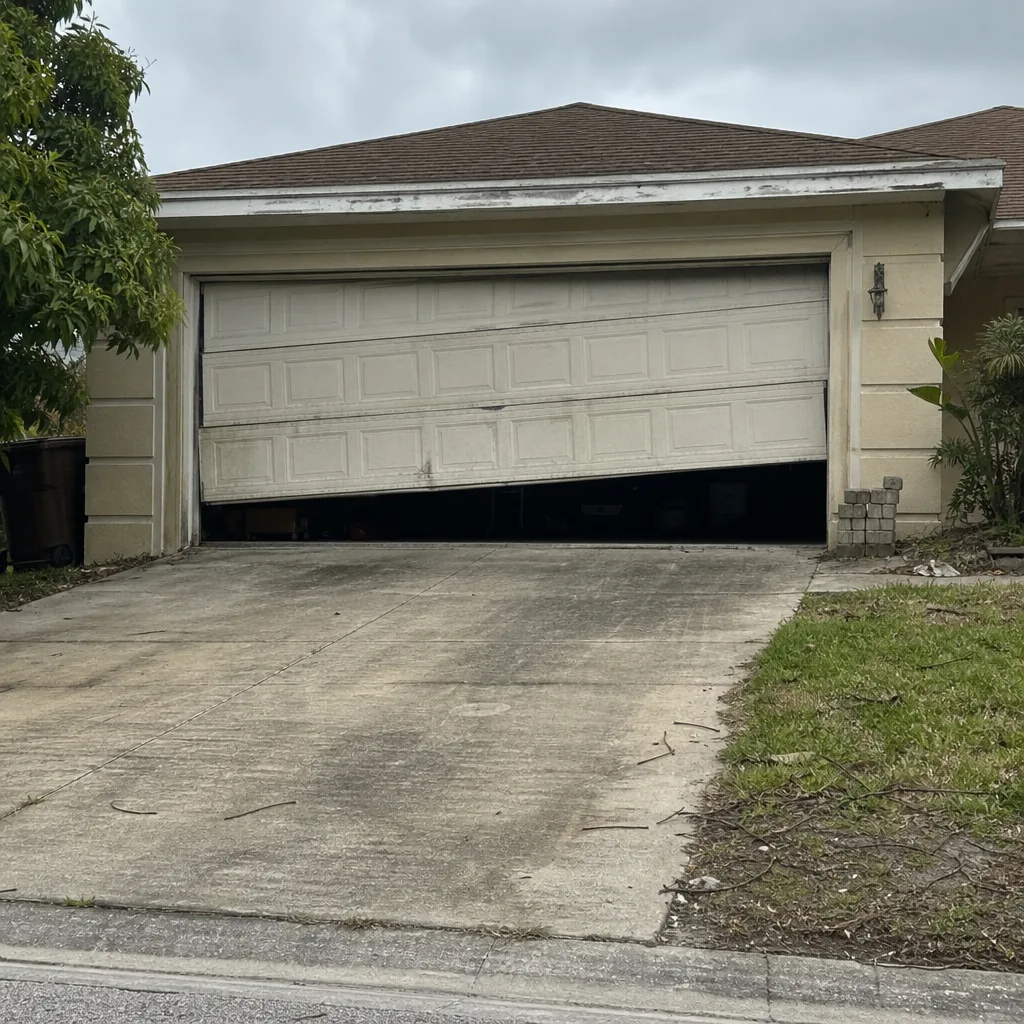 Before
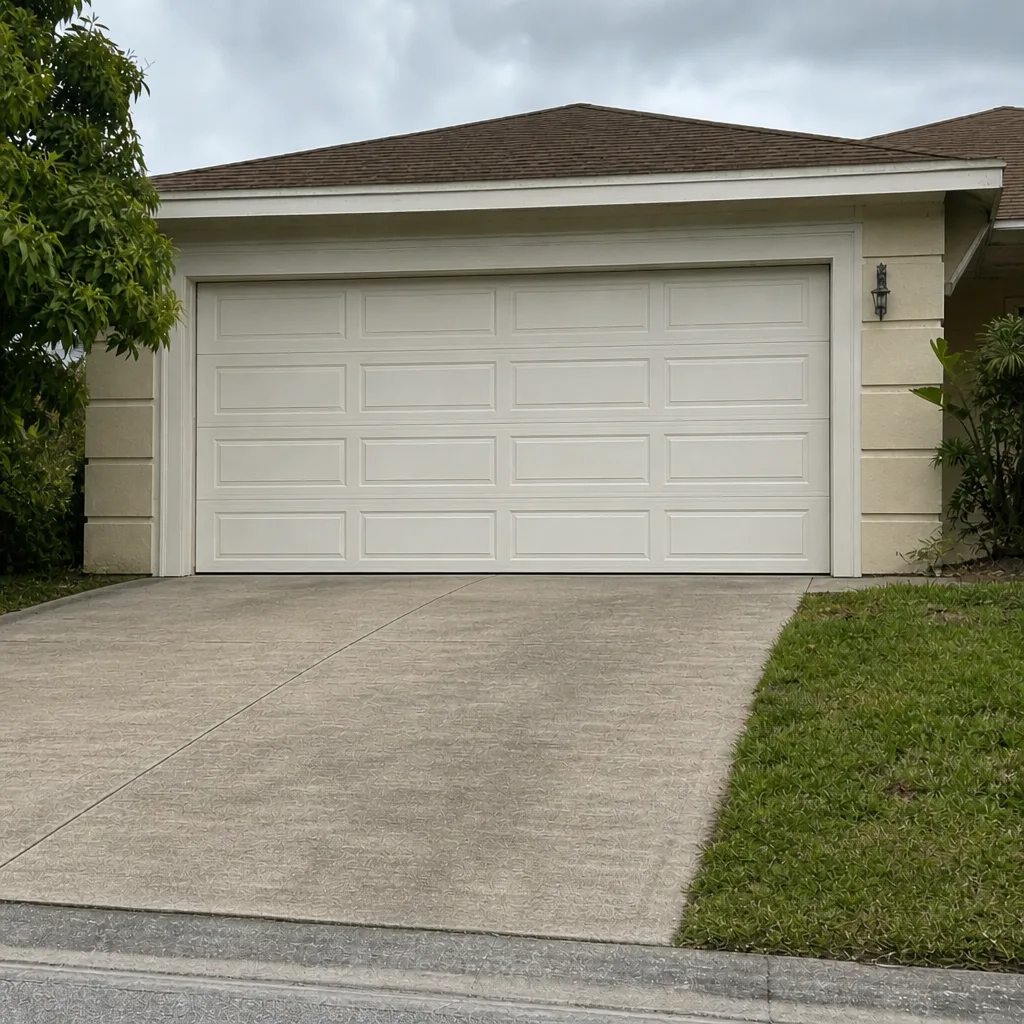 After
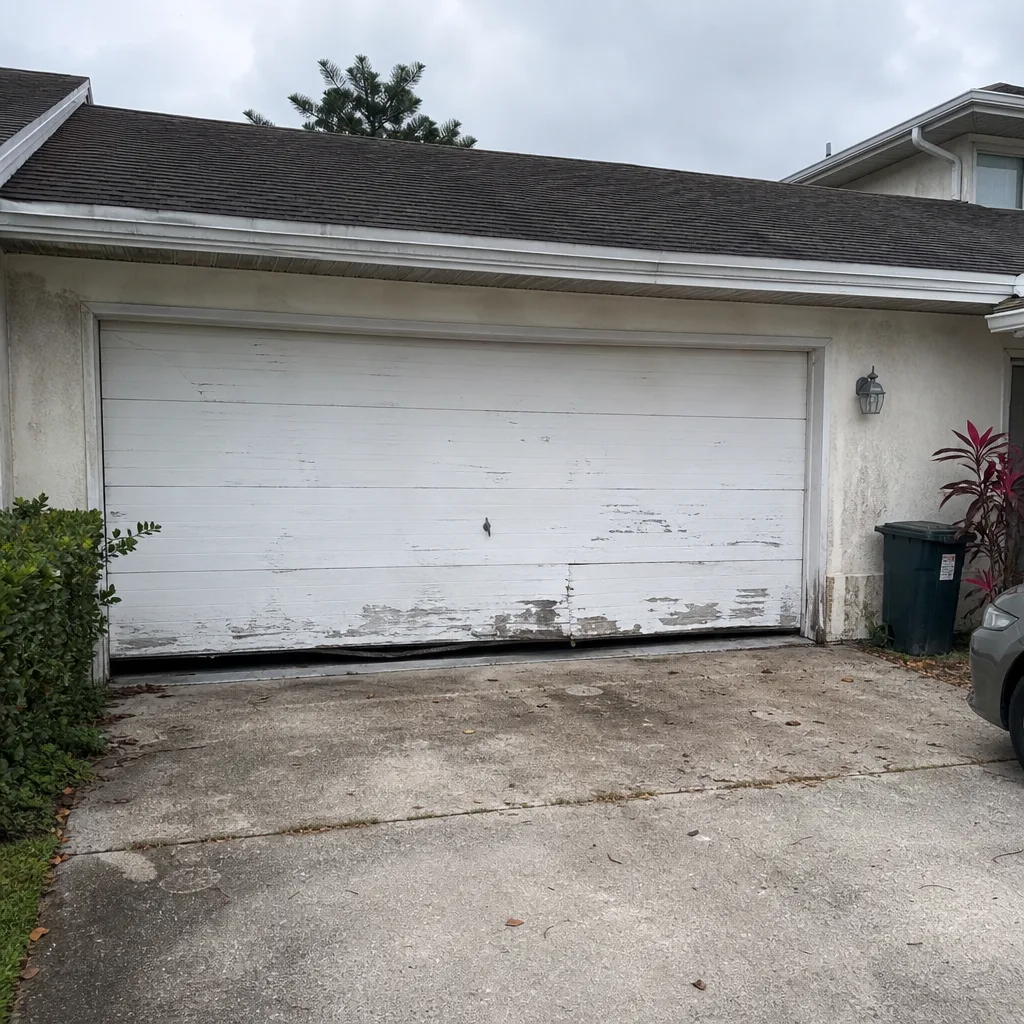 Before
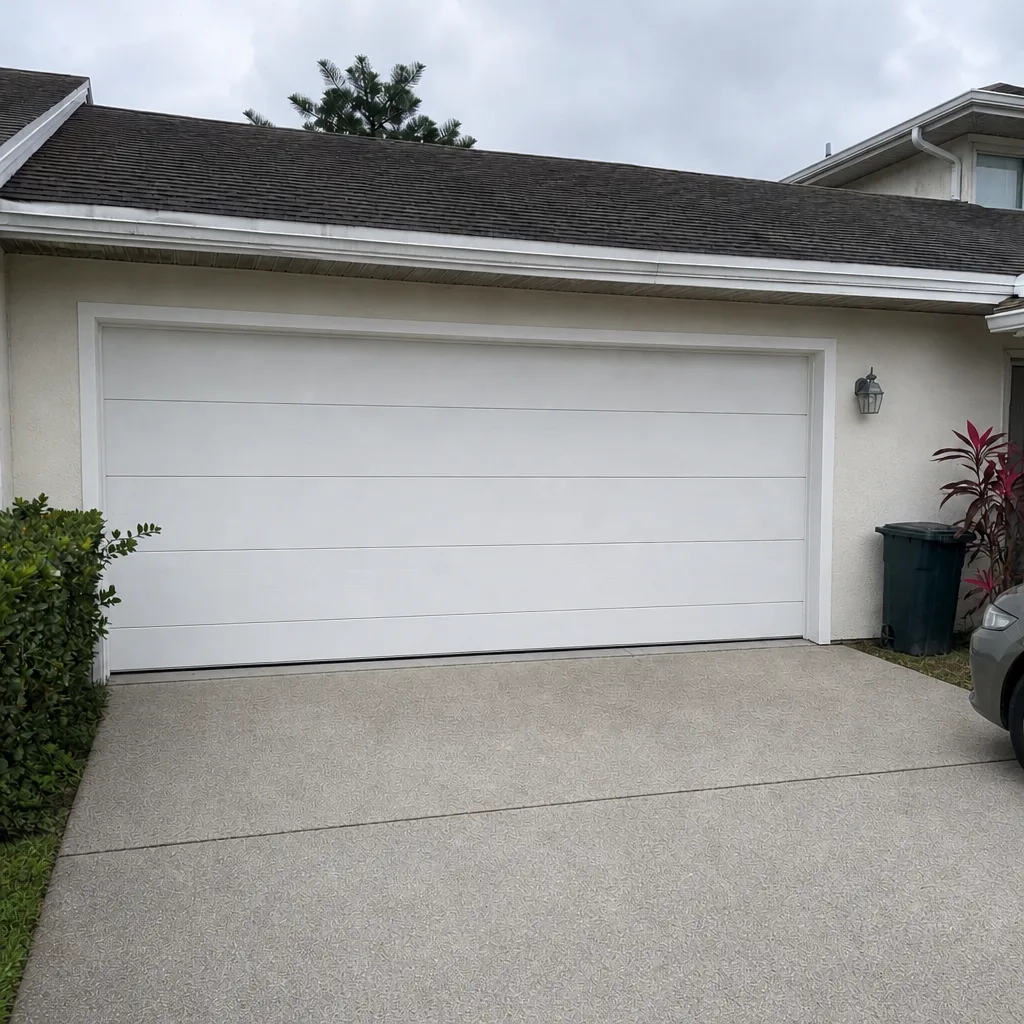 After
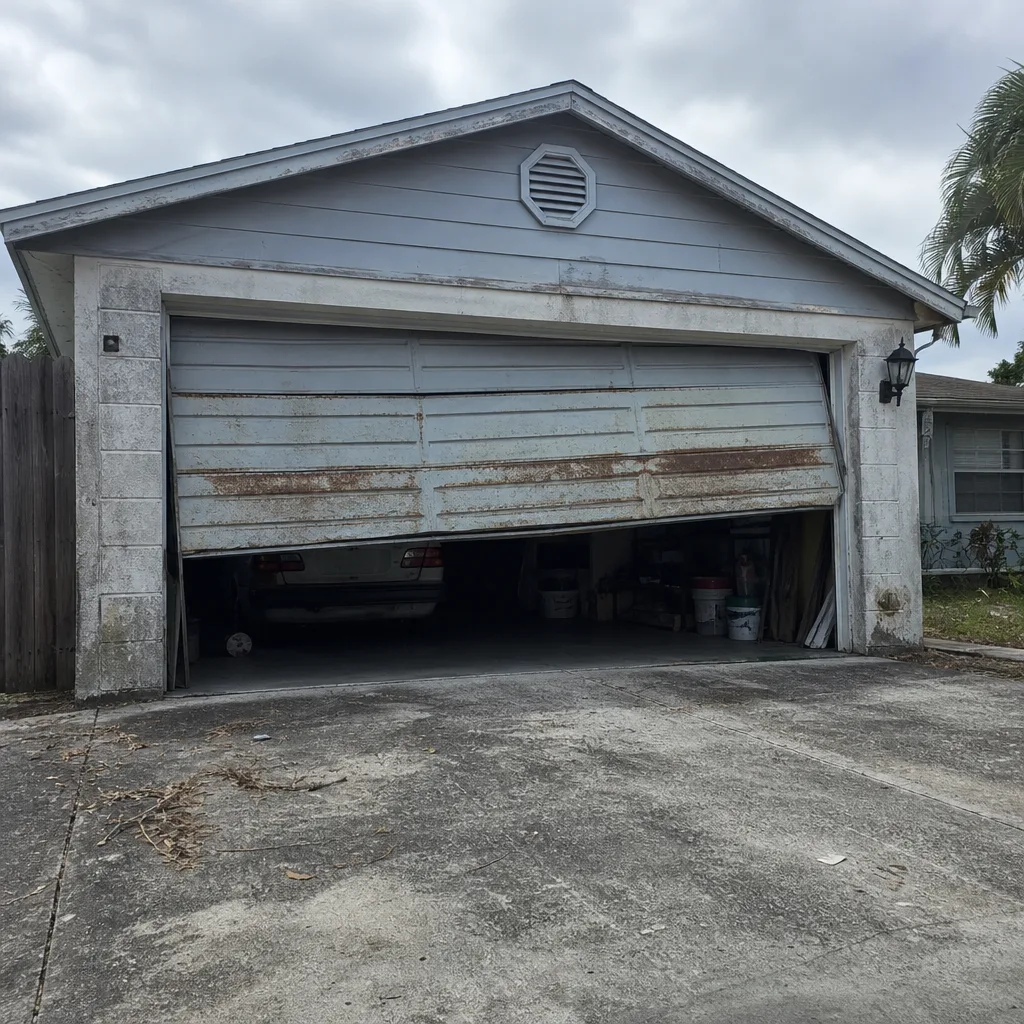 Before
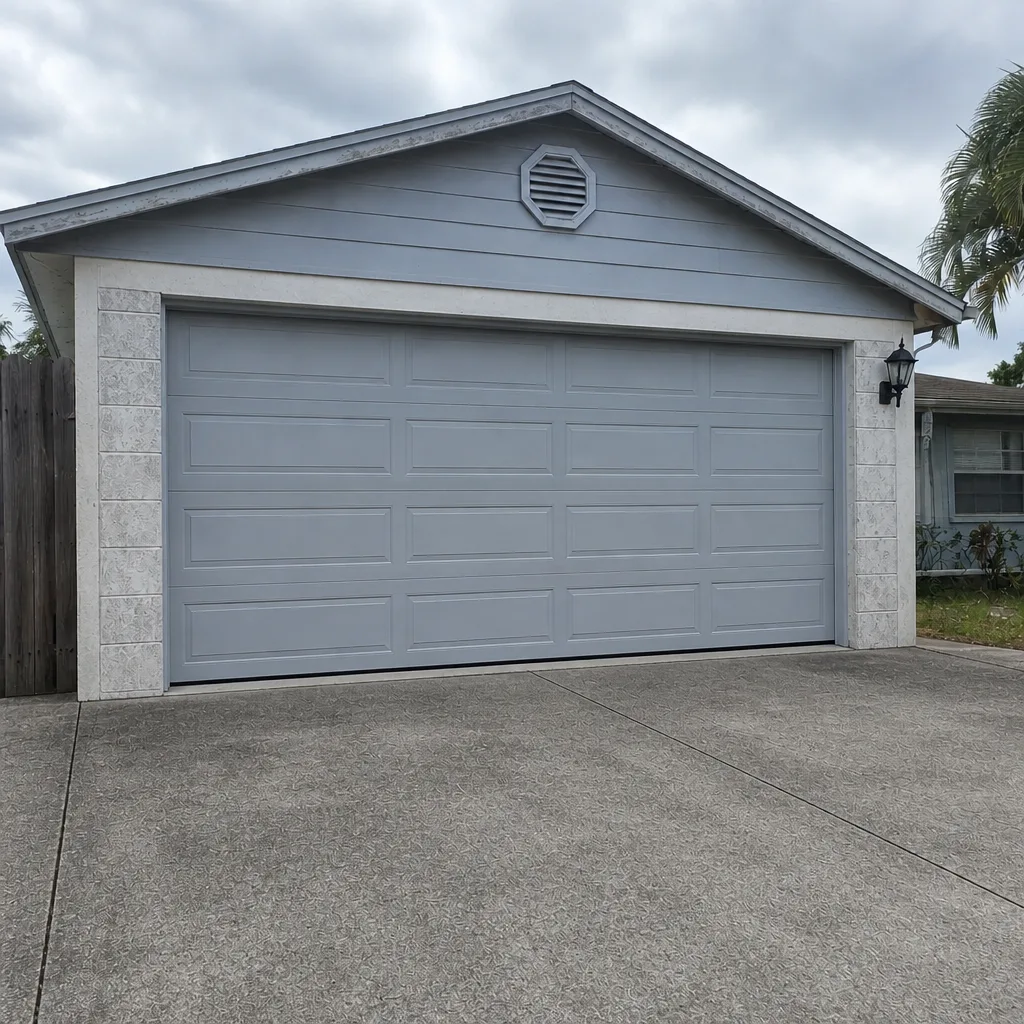 After
Frequently Asked Questions
No. Garage door springs hold enough stored mechanical energy that adjusting or replacing them requires specific tools and a controlled process, and an injury can happen in a fraction of a second. A torsion spring is not a household repair no matter how many videos you’ve watched. Call (855) 595-5127 for an estimate and let a technician handle the spring.
Lubricating hinges, rollers, and tracks is the simplest, followed by replacing the bottom weather seal. Realigning photo-eye sensors and reprogramming remotes are also safe, because none of those tasks puts you near the spring system. If you can do those four jobs, you’re covering the majority of routine maintenance on a typical Riviera Bay door.
It varies by job, and the written estimate sets the final price. Small jobs like sensor realignment or a seal replacement sit at the low end, while spring replacement, opener repair, and full panel work sit higher. Call (855) 595-5127 for a free estimate, and be ready with your door model and a description of the symptoms so the quote is accurate.
No, not after you’ve agreed to the estimate. We diagnose first, then quote, then work. If something changes on site that changes the scope, that’s a conversation we have with you before any additional work starts. You will not get an invoice larger than the quote you approved.
It depends on the layer. A dead battery in the remote, a wall button that’s been flipped to “lock,” or a photo-eye that’s out of alignment is safe to check yourself. If the opener runs but the door doesn’t move, or the unit hums without lifting, that’s a mechanical or logic issue and belongs with a technician. Call (855) 595-5127 and describe what the opener does when you press the button.
Keep people and vehicles clear of the opening, don’t force the door down by hand, and call (855) 595-5127. A door stuck open is a security concern and often a sign of a cable or spring failure. Mention that it’s stuck open and a technician will prioritize the visit.
The local pro we connect you with is licensed and insured as their state requires. We’re a Riviera Bay garage door specialist, and we can work with any of the major residential door and opener brands already on your home, including LiftMaster, Chamberlain, Genie, and Raynor. Call (855) 595-5127 for an estimate.
The Bottom Line
The DIY-versus-professional decision for a garage door is simpler than it looks. If the task involves cleaning, lubricating, aligning, reprogramming, or replacing a seal, you can do it. If the task involves springs, cables, drums, or removing a panel that holds the door up, you shouldn’t. The Riviera Bay climate raises the stakes on a few jobs, mostly because older fasteners and cables age faster than the homeowner expects. Weigh the full cost of a DIY attempt, including tools and mistakes, against the professional quote. And use the middle path: do the diagnostics and the prep, so a technician’s time goes into the repair rather than the discovery. From the opener to the panels to the springs, one call covers the whole door, and for a Riviera Bay homeowner the call itself is free.
Ready When You Are
If you’ve read this far and you’re still not sure which column your project falls into, that’s the moment to ask. We’ll tell you plainly whether the job is a DIY one, and if it’s not, we’ll give you a free estimate and a written quote before anything begins. We handle garage door opener repair, spring work, panel replacement, and full garage door installation, and we can work with the system already on your home, from a LiftMaster opener to a Chamberlain wall unit to a Genie keypad. From the opener to the panels to the springs, one call covers the whole door. Visit Garage Door Repair Riviera Bay or call (855) 595-5127 today for a free estimate. Estimates are free, and we’re glad to tell you what we’d do first before you spend a dollar.
Written by the team at Garage Door Repair Riviera Bay.